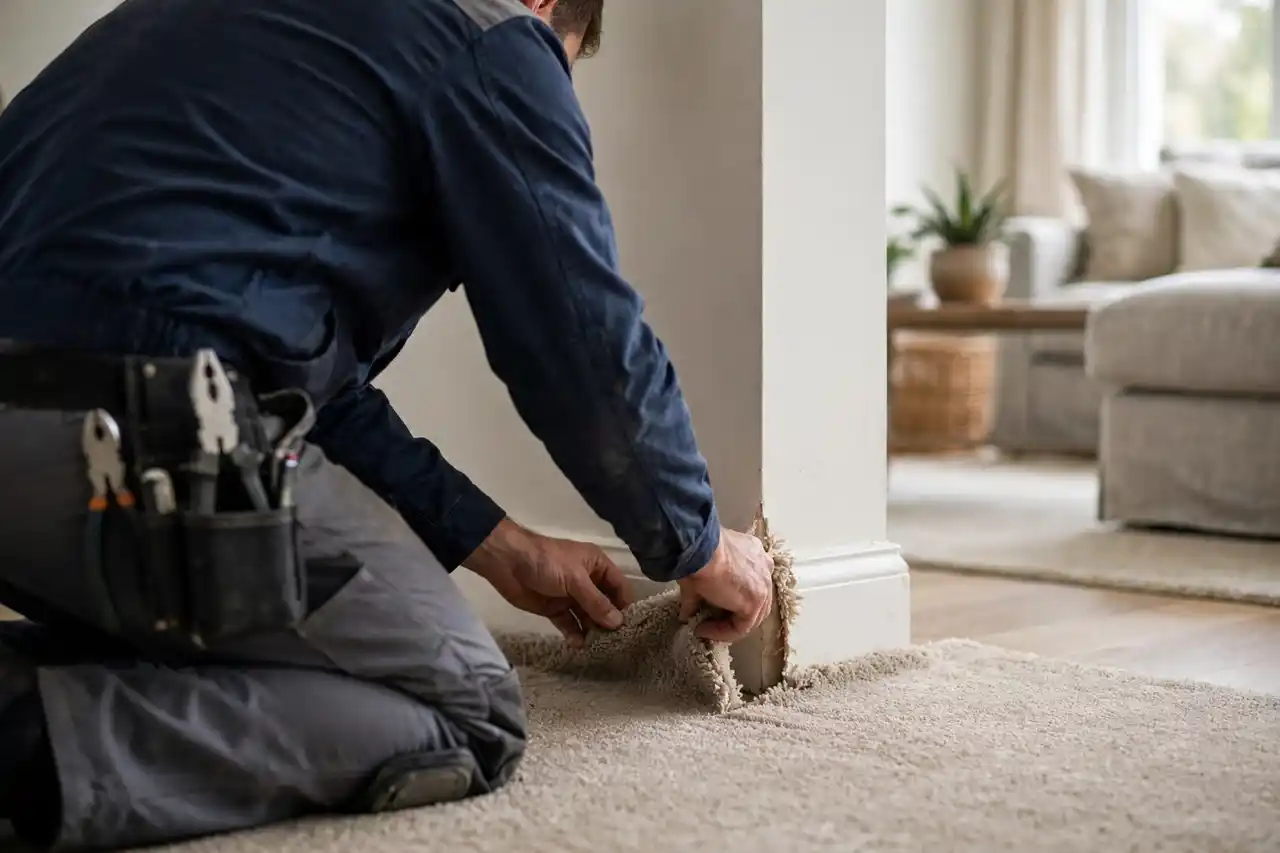
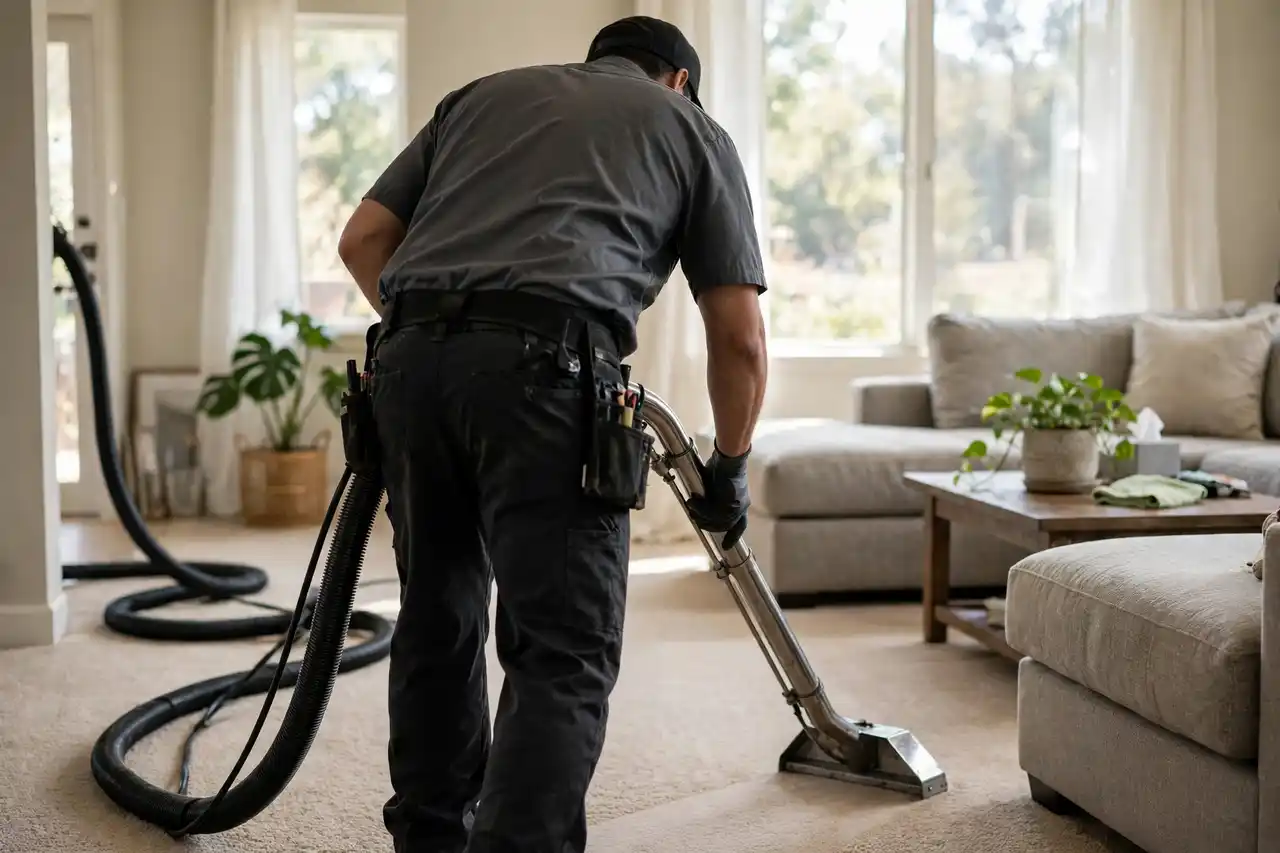
Pressurized hot water is sprayed into the carpet and vacuum-extracted almost immediately. Typical drying is 4–12 hours and up to 24 hours, depending on equipment and conditions. Over-wetting is the main caution, and damp materials need to dry promptly.
Carpet cleaning Cedar Rapids IA, from Reliable Carpet Inc
Carpet cleaning means removing soil from carpet by a method suited to the fiber, the soil, and the room. Reliable Carpet Inc, based at 1107 J Ave NE in Cedar Rapids, IA, explains on this page, in general terms, what carpet cleaning involves, how methods differ, how long drying can take, and what fiber changes — so you can call with useful questions ready.
Based in Cedar Rapids, Iowa. Monday–Friday, 8 AM–5 PM.
How much carpet are you thinking about?
Several rooms
More than one room, including the rooms that get the most foot traffic. Drying time depends on the method, the fiber, and the air in the home.
- 1. One room A single room, hallway, or stair landing. Stairs and landings are covered on this page, not as a separate service.
- 2. Several rooms More than one room, including the rooms that get the most foot traffic. Drying time depends on the method, the fiber, and the air in the home.
- 3. Stains and odors too Stains and pet odor raise different questions from everyday soil. Depth, fiber, and age all affect what is possible. Call to discuss what you are seeing.
Drag the needle to compareTouch and drag the needle
- 4.6Google rating from 11 reviews
- Mon–Fri8 AM–5 PM; closed Saturday and Sunday
- 3Services: cleaning, stain and odor, repair
- Cedar RapidsBased at 1107 J Ave NE
What this page covers about carpet cleaning
No visit is described here as a fixed package. Use this page to understand the questions, then call to discuss your carpet.
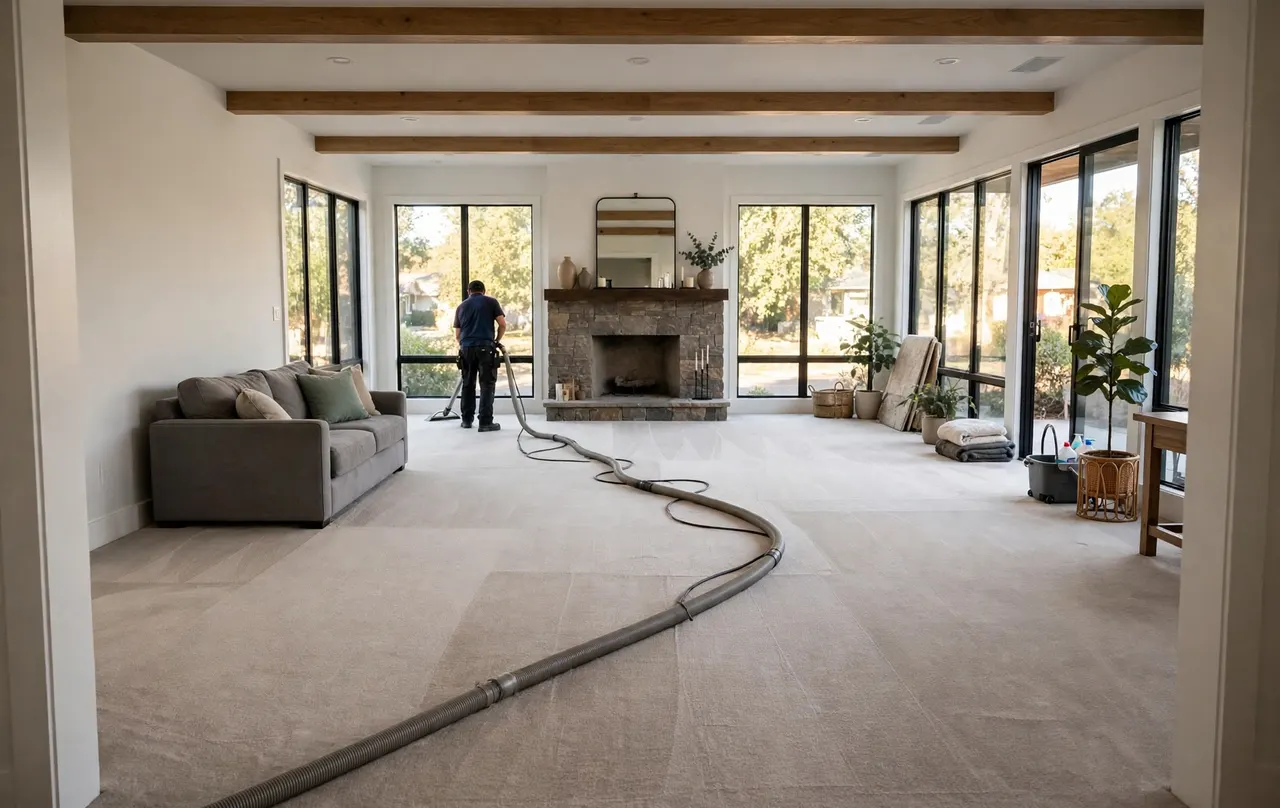
Work order
Carpet Cleaning- Everyday soil and grit: Vacuuming removes surface soil. Soil that has worked deeper into the pile is the reason professional cleaning exists as a service, and it is also why results depend on fiber, pile, and how long the soil has been there.
- Traffic lanes: Hallways and paths between rooms collect more soil and oil than corners do. On polyester carpet, which holds oils, matting in a traffic lane may not fully reverse. That limit is worth knowing before anyone starts.
- Carpet cleaning methods, in general terms: Hot water extraction, low-moisture approaches, and older methods such as shampooing all exist, and none is ranked above the others by the published carpet cleaning standard. The methods section below explains each in general terms, with drying ranges.
- Stains and pet odor: Stains and odor are covered on the stain and odor page, because depth decides the outcome there. A surface spot and a spot that has reached the backing are different situations.
- Drying time: Drying ranges vary by method and conditions, from under an hour for some low-moisture approaches to 4–12 hours, and up to 24 hours, for hot water extraction. Humidity, airflow, and pile all play a part. Call to discuss what applies to your home.
What the first call covers
First call
The first call covers what you are seeing, which rooms are involved, and what happens next. No prices are published on this site.
Carpet cleaning for Cedar Rapids homes
City-level guidance for the rooms people actually live in.
Everyday soil
Soil tracked in from outside settles into the pile over time, especially near entries.
Traffic lanes
The paths people walk most show soil first, and hold it longest.
Pet areas
Rooms where dogs spend time raise stain and odor questions. Depth decides the outcome.
Stairs and landings
Narrow treads and turns collect soil at the edges. Stairs are part of this page, not a separate service.
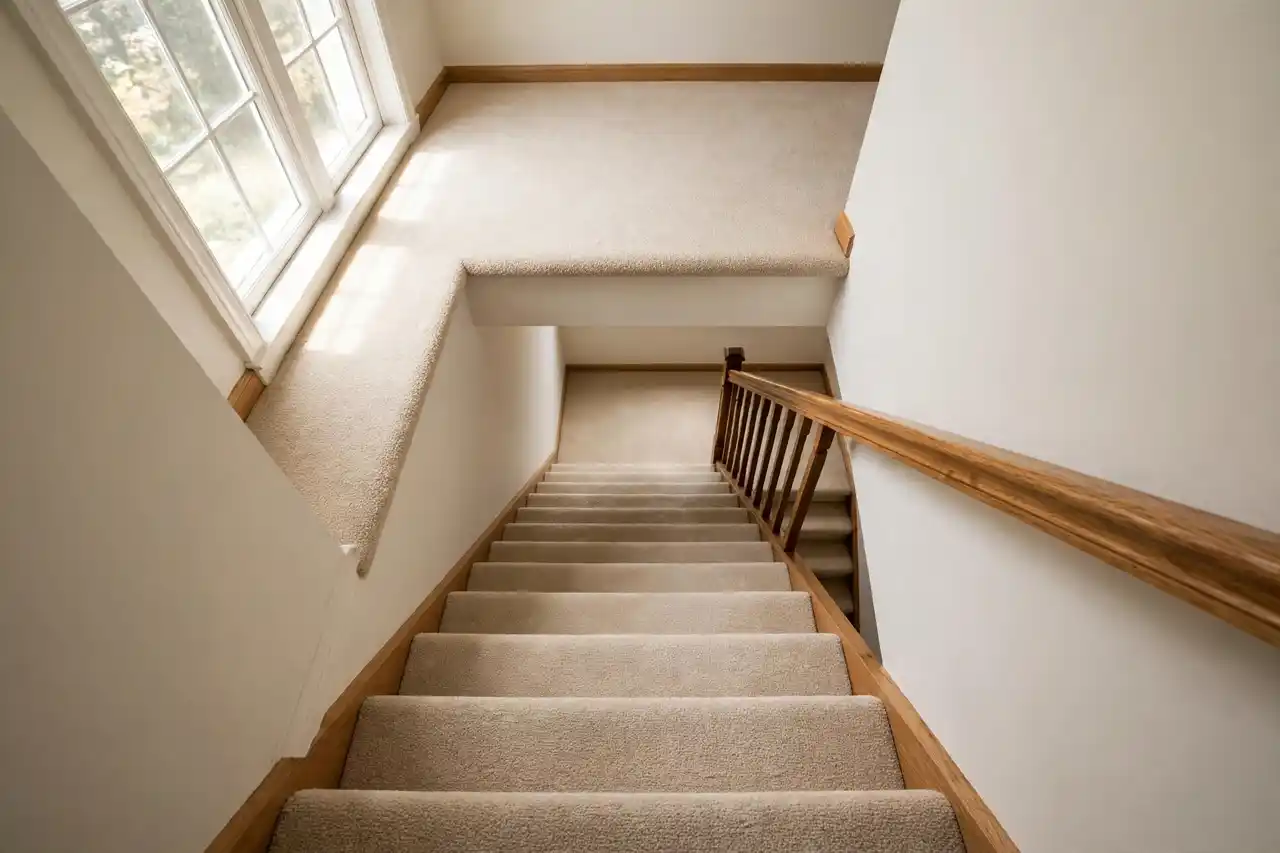
Larger homes and multi-room jobs: what affects drying
When more rooms are involved, drying time and planning matter more. These are the factors, in general terms.
Room count and layout
More rooms mean more damp carpet at once, and rooms dry at different rates depending on airflow and sunlight.
Humidity and airflow
Indoor humidity, air movement, and temperature all affect drying. The EPA advises keeping indoor humidity between 30% and 60%.
Fiber and pile
Thicker pile and denser carpet hold more water and dry more slowly. Fiber type also affects which methods are discussed.
What carpet cleaning in Cedar Rapids actually involves
Carpet cleaning is worth understanding before you book, because the method, the fiber, and the drying conditions all change what a visit can do.
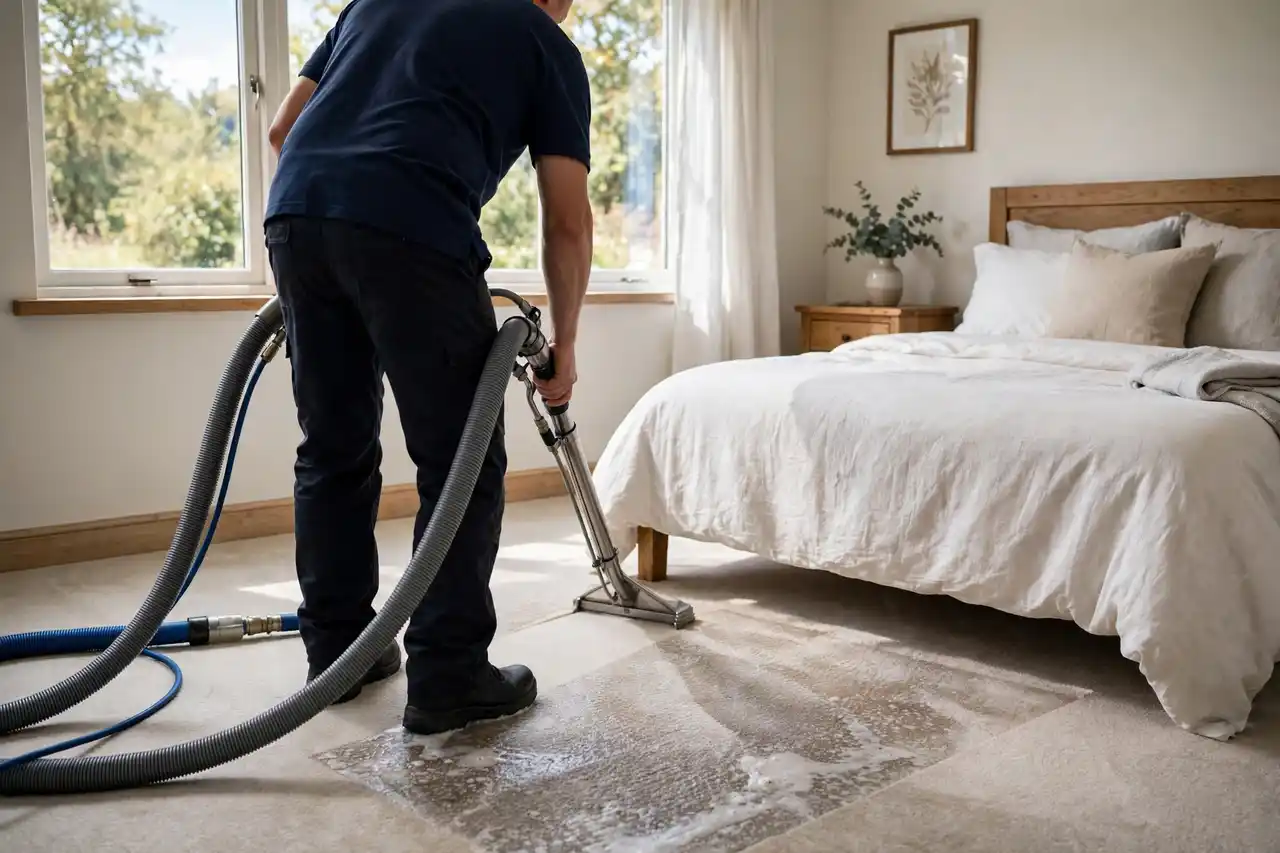
Carpet cleaning, in general terms, means removing soil from carpet fiber and backing using water, a cleaning solution, agitation, and extraction or absorption. Hot water extraction, the method most people mean when they say steam cleaning, sprays pressurized hot water into the carpet and vacuums it back out almost immediately. Low-moisture approaches use less water and rely more on absorption or crystallization, with the soil leaving through later vacuuming. No method is ranked above the others: the published carpet cleaning standard does not rank methods or products, so any honest comparison stays condition-dependent and fiber-qualified.
Cedar Rapids conditions add their own factors. Winter road salt is tracked in at entries and leaves residue in the fiber. Rain and thaw track-in follows in spring. Summer humidity can slow drying, which is why drying ranges on this page are ranges, not promises. If a stain has dyed the fiber — coffee, tea, or red wine can dye unprotected nylon, and heat accelerates the process — cleaning may lighten it without removing it. Results vary with depth, age, and fiber, and that is worth establishing on the call.
- What it is
- Removal of soil from carpet fiber and backing, by a method suited to the fiber and the soil
- When it helps
- Everyday soil, traffic lanes, and stains that have not dyed the fiber
- What to ask
- Which rooms, which fiber, what the stains are, and how drying works in your home
Before you call: five things worth knowing
A short read before the call helps you describe the job and understand the answers.
Carpet cleaning methods, explained in general terms
General information only. Nothing here describes a method Reliable Carpet Inc uses. Call to discuss what applies to your carpet.
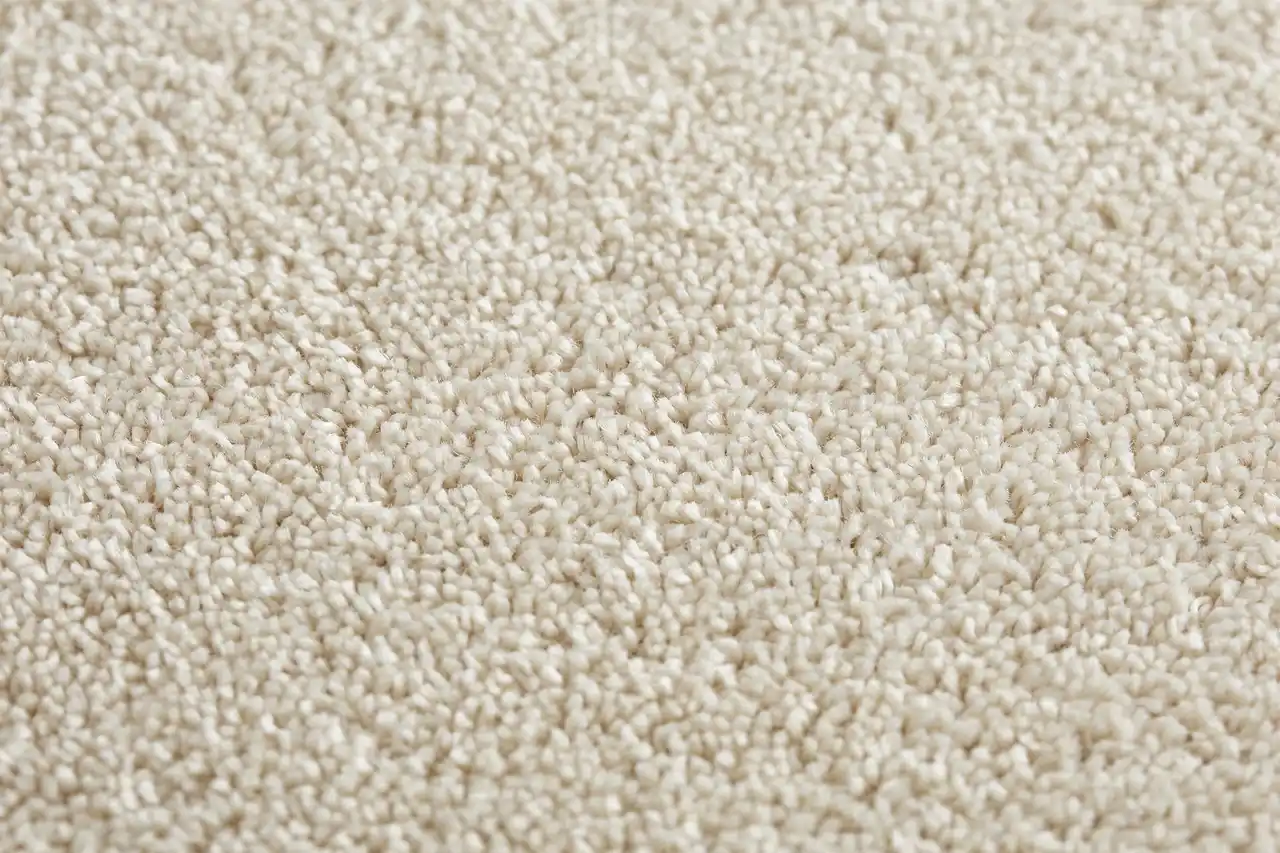
These use less water: absorbent compound, encapsulation, or bonnet methods. Touch-dry times range from immediate to about 3 hours. Soil may leave through later vacuuming, and encapsulation is not a deep-clean substitute. One major manufacturer does not recommend bonnet cleaning.
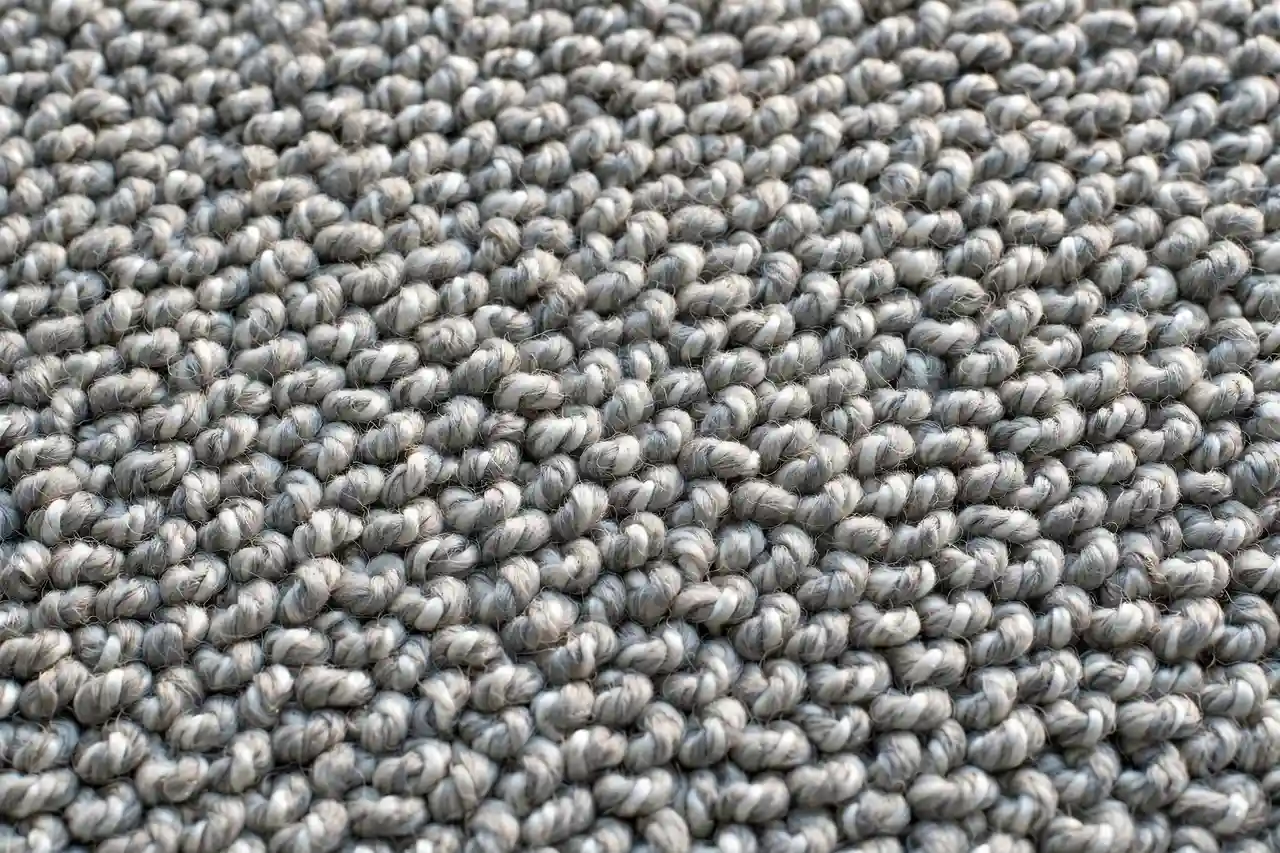
An older approach in which a shampoo solution is worked into the carpet. Drying is typically 6–12 hours or longer without extraction, and residue risk is the highest of the methods described here. It survives mostly as a legacy term.
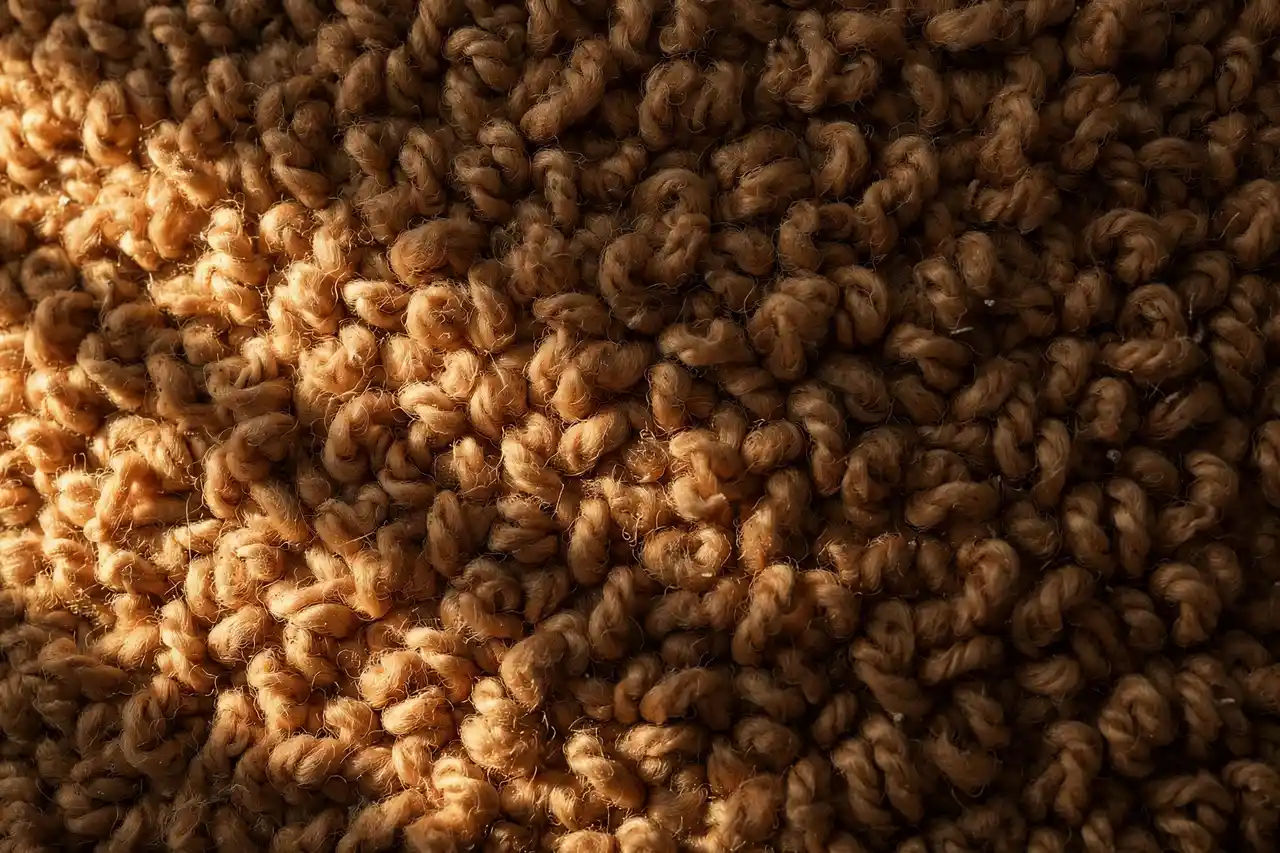
Nylon can take up dye from coffee, tea, and wine. Polyester holds oils and matting may not reverse. Olefin is colorfast but heat-sensitive, and rotary friction can damage it. Wool is sensitive to heat, alkalinity, and agitation, and needs a cautious approach.
A spot that returns within hours to a few days, in the same color, is usually wicking from below. Graying over weeks is usually re-soiling, often linked to residue. The two have different causes, and telling them apart matters.
When carpet cleaning is worth considering
Traffic lanes grayer than the rest of the room
Soil and oil concentrate where people walk. On some fibers the matting may not fully reverse, so expectations should be set before any work starts.
Everyday soilSeveral rooms needing attention at once
A multi-room job raises drying questions: airflow, humidity, and pile all affect how long carpet stays damp. Ranges, not promises, are the honest way to talk about it.
Everyday soilA spill that has sat for a while
Coffee, tea, and red wine can dye unprotected nylon, and heat accelerates the process. How long the spill has sat, and what has already been tried, are worth mentioning on the call.
Stains and odorA pet accident that keeps drawing attention back
Pet stains and odor depend on depth: surface spots and spots that reached the backing are different situations. The stain and odor page explains the chemistry in general terms.
Stains and odor
How Cedar Rapids conditions affect carpet
Three local factors shape what carpet cleaning has to deal with here. All three are general conditions, not promises about any visit.
Winter salt at entries
Road salt tracked in during winter leaves residue in fiber near entries and driveways. Entry areas usually need the most attention.
Rain and thaw track-in
Spring rain and thaw bring a different kind of track-in. Entry mats and regular vacuuming reduce what reaches the pile, but do not remove it.
Summer humidity and drying
Humid months slow drying. Airflow, indoor humidity, and pile thickness decide where in the drying range a given home lands.
- Downtown Cedar Rapids
- Czech Village
- New Bohemia
- Kingston Village
- Wellington Heights
An illustrative view, not a result
Slide to compare the photo with an illustrative view. It is generated from the photo, not a measurement, and it does not show a cleaning result.
 Photo
Gray traffic lanes
Situation: A hallway carries more foot traffic than the rooms off it, so the center of the walkway looks grayer than the edges. Soil and oil have worked into the pile over time.
Worth knowing: Traffic-lane soil sits deeper than surface dirt, and on polyester carpet, matting may not fully reverse. What improves, and by how much, varies with fiber, pile, and age.
A pet area that draws attention
Situation: A room where a dog spends time has spots that keep showing, even after vacuuming. The surface looks acceptable, but the spots return.
Worth knowing: Pet stains depend on depth. A spot that has reached the backing behaves differently from a surface spot, and odor can return when humidity rises. The stain and odor page explains why.
A spot that comes back after cleaning
Situation: A spot fades after cleaning, then returns within a few days in the same color, or the carpet grays again over several weeks.
Worth knowing: A fast return in the same color is usually wicking from below. Graying over weeks is usually re-soiling. The distinction matters, and neither outcome can be promised away in advance.
Carpet problems worth asking about
Some carpet problems get harder to address the longer they sit. Asking early costs nothing.
Pet stains that return after cleaning
The stain may have reached the backing or pad, below where surface cleaning reaches. Depth decides the outcome.
Gray traffic lanes that will not lift
Soil and oil bond to fiber and mat it down. Vacuuming does not break that bond, and on some fibers matting may not fully reverse.
Carpet that stays damp after cleaning
Drying depends on the method, humidity, airflow, and pile. Hot water extraction typically dries in 4–12 hours, and up to 24 hours.
Spots that reappear within days
Wicking brings a spot back in hours to a few days, in the same color. Re-soiling grays carpet over weeks. Different causes, different conversations.
Why homeowners consider a professional clean
A vacuum handles surface soil. The rest is a question of depth, fiber, and drying.
Soil below the surface
Grit that has worked into the pile wears fiber every time someone walks across it. Removing deeper soil is the main reason professional cleaning exists — and why vacuuming alone does not settle it.
Traffic lanes and fiber
Soil and oil concentrate where people walk. Polyester holds oils, and matting in a traffic lane may not fully reverse. Honest expectations start with the fiber.
Drying, planned around the home
Drying ranges run from under an hour for some low-moisture approaches to 4–12 hours, and up to 24 hours, for hot water extraction. Humidity, airflow, and pile decide where a home lands.
How often is often enough
The Carpet and Rug Institute advises a professional deep clean every 12–18 months. Shaw advises hot water extraction every 6–18 months by traffic, at least every 18 months. Treat intervals as ranges with the source named, not as a single rule.
Questions worth asking before any work starts
Clear questions lead to clear answers. These are worth asking on the call.
What the visit covers
Ask which rooms and areas are included, and what counts as a separate discussion.
How drying works
Ask what affects drying time in your home, and what you should plan around while carpet dries.
What happens if a spot returns
Ask how a returning spot or odor is handled, and what terms apply. Get the answer before work starts.
Fiber, drying, and honest expectations
Three ideas explain most carpet cleaning outcomes. None of them requires trusting a promise.
Fiber first
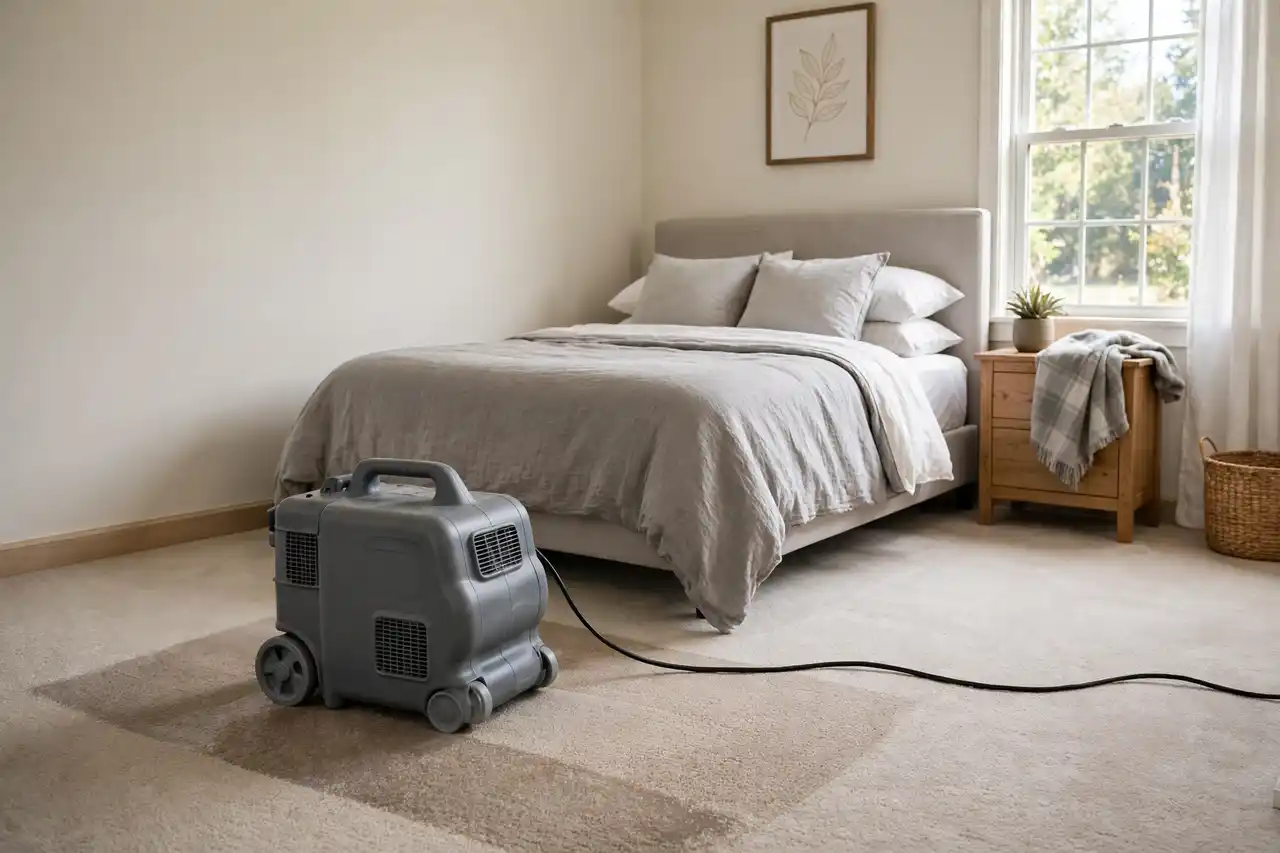
Nylon, polyester, olefin, and wool each change what methods and outcomes make sense. No claim about cleaning holds without the fiber qualified.
Drying is part of the job
Drying ranges are typical, not promised. Method, humidity, airflow, and pile all move the number.
Results vary by stain
Depth, age, and fiber decide what a stain does. Some stains have dyed the fiber and will only lighten.
Do we clean your part of Cedar Rapids?
Type your ZIP or neighborhood to check it against the list. If you are outside the list, call and ask.
Cedar Rapids ZIP codes
- 52401
- 52402
- 52403
- 52404
- 52405
- 52411
Service areas
- Bever Park
- Cedar Valley
- Cherry Hill Park
- Cleveland Area
- Ellis Harbor
- Kenwood Park
- Mound View
- Noelridge Park
- Northwest Neighbors
- Oak Hill Jackson
- Taylor Area
- Vernon Heights
- Wellington Heights
- Westdale Area
- Bowman Woods
- Czech Village
- New Bohemia
- Downtown Cedar Rapids
- Kingston Village
- Lincolnway Village
- Wilderness Estates
Cedar Rapids areas
This page covers the service at the city level. Area details live on the locations hub.
- Downtown Cedar Rapids
- Czech Village
- New Bohemia
- Kingston Village
- Mound View
- Wellington Heights
- Bever Park
- Kenwood Park
- Noelridge Park
- Cherry Hill Park
- Cleveland Area
- Taylor Area
What Cedar Rapids customers say
Bought a home and had them clean the carpet. A strong odor developed from previous dog in house and they came back to take care of it. Very friendly, knowledgeable and they absolutely will not leave you unhappy. Great company! A+ HIGHLY RECOMMENDED
If I could give Terry and Jim more than five stars I would! I've worked in property Management for years and have tons of experience with carpet cleaners and these guys are hands down the best around, their name isn't reliable for nothing!
Reliable Carpet, Inc is just that! Friendly, thorough, professional and they cleaned my stained RV carpet like new! I highly recommend them!
Stretched carpet with heavy wrinkles. Looks like new again now. Worker was on time, professional, and friendly. Excellent experience. Excellent result. I very much recommend them.
Frequently Asked Questions
Short answers for the first few minutes. The team can cover the rest.
Still have a question?
Describe what you are seeing and we will point you to the right next step.
(319) 319-9212In most everyday use, yes. When people say steam cleaning, they usually mean hot water extraction: pressurized hot water sprayed into the carpet and vacuum-extracted almost immediately. Typical drying is 4–12 hours and up to 24 hours, depending on conditions. The comparison guide explains the differences in more detail.
Dry carpet cleaning usually means a low-moisture approach, such as an absorbent compound worked into the carpet and vacuumed out, with touch-dry times from immediate to about 2 hours. The term collides with garment dry cleaning, which is a different thing entirely. Low-moisture approaches are not ranked above other methods, and no method claim about Reliable Carpet Inc is made on this page.
Shampooing is mostly a legacy term. A shampoo solution worked into carpet without extraction dries in 6–12 hours or longer and carries the highest residue risk of the methods described here. It is mentioned on this page only so the term is understood, not as a recommended method.
Protector treatments are an add-on topic, not a service of their own. Whether a protector makes sense depends on the fiber, the traffic, and the product involved, none of which are specified on this site. Raise it on the call if it interests you, and ask what product and terms would apply.
Stairs and landings are covered as part of carpet cleaning on this page, not as a separate service. Narrow treads collect soil at the edges, and landings take turning traffic. Mention stairs when you call so they are part of the conversation.
It depends on the method and the conditions. Hot water extraction typically dries in 4–12 hours, and up to 24 hours. Low-moisture approaches range from immediate to about 3 hours to touch-dry. Humidity, airflow, pile thickness, and temperature all play a part. The guide to damp carpet after cleaning explains the factors.
Published guidance is given as ranges. The Carpet and Rug Institute advises a professional deep clean every 12–18 months. Shaw advises hot water extraction every 6–18 months by traffic, at least every 18 months. Traffic, pets, and household size move a home within those ranges.
No prices are published on this site, and no price is quoted here. What generally affects cost is the number and size of rooms, the fiber, the soil and stain load, and whether stain or odor work is involved. The cost guide explains those factors with dated third-party figures, and the call is where your job is discussed.
Related pages
Other services from the same team, plus a related guide.
 Pet Stain and Odor RemovalStains and odor depend on depth. The chemistry, the fiber limits, and the honest limits are explained there.
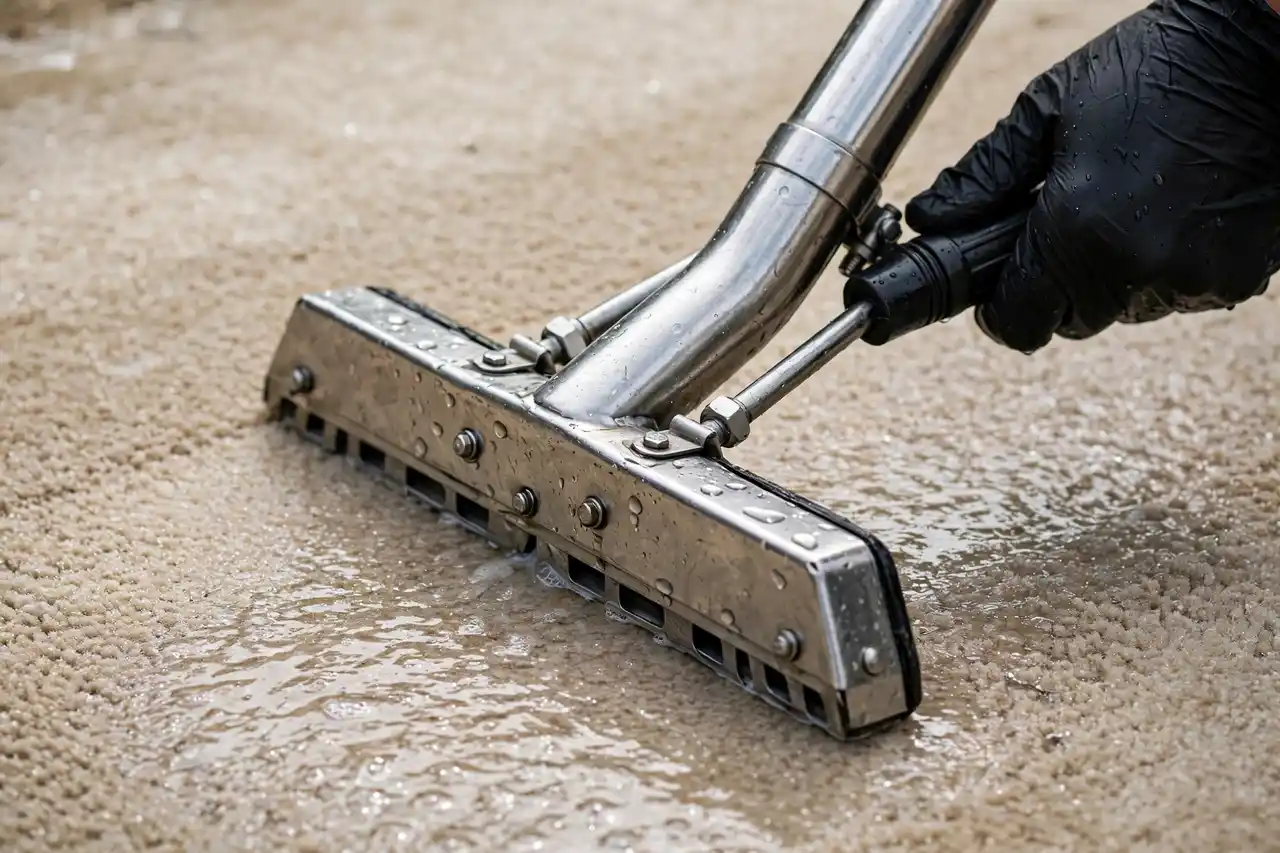 Carpet Repair and StretchingBuckling, wrinkles, and small damaged areas, with stretching-led guidance and clear limits.
 Dry vs. Steam Cleaning, ComparedA neutral comparison of hot water extraction and low-moisture approaches, with drying ranges.

Carpet cleaning Cedar Rapids IA — call to discuss
(319) 319-9212Call Monday to Friday, 8 AM to 5 PM, and describe what you are seeing. Winter salt, traffic lanes, and stains are all worth mentioning.
Call to discuss carpet cleaning
Call (319) 319-9212, Monday through Friday, 8 AM to 5 PM. Saturday and Sunday we are closed. Describe the rooms, the fiber if you know it, and any stains or odor, and the conversation starts from there.