Urea becomes ammonia through bacterial action, and uric-acid crystals bind to fiber, backing, and pad. The crystals do not dissolve in water and reactivate with humidity, so odor can return on humid days after seeming to fade.
Carpet stain and odor removal Cedar Rapids IA
Carpet stain and odor removal means treating stains and odors in carpet with attention to how deep they have gone, the fiber involved, and what has already been tried. This page, from Reliable Carpet Inc in Cedar Rapids, IA, covers dog and general pet stains, plus food and drink stains, in general terms: the chemistry, the fiber limits, and why depth decides the outcome. Results vary, and no outcome is promised here.
Based in Cedar Rapids, Iowa. Monday–Friday, 8 AM–5 PM.
How much of the carpet is affected?
A few spots
More than one spot, or a spot that has been there a while. Older and repeat spots reach deeper, and depth decides the outcome.
- 1. One spot A single recent accident or spill, at the surface. What it is, and how long it has sat, matter more than its size.
- 2. A few spots More than one spot, or a spot that has been there a while. Older and repeat spots reach deeper, and depth decides the outcome.
- 3. Odor that returns Odor that fades and comes back, often when humidity rises. That pattern points below the surface, to the backing or pad.
Drag the needle to compareTouch and drag the needle
- 4.6Google rating from 11 reviews
- Mon–Fri8 AM–5 PM; closed Saturday and Sunday
- 3Services: cleaning, stain and odor, repair
- Cedar RapidsBased at 1107 J Ave NE
What this page covers about stains and odor
No treatment is described here as a fixed package. Use this page to understand what decides an outcome, then call to discuss what you are seeing.
Work order
Pet Stain and Odor Removal- Pet stain and odor removal: Dog and general pet stains are the subject of this page. How deep the stain has gone, how long it has sat, and how often the same spot has been used all affect what is possible.
- Household stains: Coffee, tea, red wine, and other food and drink stains are covered here too. On unprotected nylon they can dye the fiber, and heat accelerates dye uptake, so some stains lighten rather than disappear.
- Why odor returns: Pet urine changes over time: urea becomes ammonia through bacterial action, and uric-acid crystals, which do not dissolve in water, bind to fiber, backing, and pad, and reactivate with humidity. That is why odor can fade and return.
- Depth decides the outcome: A surface spot and a spot that has reached the backing or pad are different situations. When contamination has reached the pad or subfloor, surface cleaning alone may not change the odor. Whether anything beyond cleaning is possible is a question for the call.
- Results vary: No stain or odor outcome is promised on this page. Depth, age, fiber, and what has already been tried all affect the result, and some stains have dyed the fiber.
What the first call covers
First call
The first call covers where the spots are, how long they have been there, and what has already been tried. No prices are published on this site.
Stain and odor situations at home
For homes with dogs and the everyday spills that come with living in a house.
Repeat spots
The same corner or stretch of wall, used more than once. Repeat use drives stains deeper.
Stains found later
Spots discovered during a move or a rearrangement, sometimes long after they happened.
Food and drink stains
Coffee, tea, and red wine. On nylon, these can dye the fiber rather than sit on it.
Odor in humid weather
Odor that returns when humidity rises points to crystals below the surface reactivating.
What decides whether stain or odor work helps
Three factors decide most outcomes. All three are worth establishing before any work is discussed.
How deep it went
Surface spots, backing spots, and pad-level contamination are different situations, and surface cleaning reaches only the first.
How long it sat
Time lets urine chemistry change and lets dyes bond. Older spots are harder to shift, and repeat spots harder still.
Fiber and backing
Nylon takes up dye. Wool is sensitive to heat, alkalinity, and agitation. The fiber qualifies every claim about a stain.
What carpet stain and odor removal involves
Stain and odor work is a depth problem before it is a surface problem. Finding out how deep a stain has gone matters more than how it looks.
Pet urine, in general terms, follows a known chemistry. Urea becomes ammonia through bacterial action. Uric-acid crystals do not dissolve in water; they bind to fiber, backing, and pad, and reactivate when humidity rises, which is why an odor can fade after cleaning and return on a humid day. Treatments described in general terms fall into two broad approaches: enzymatic approaches, which target urine salts and crystals and need volume, dwell time, and compatible conditions, and oxidizing approaches, which lighten stains quickly but may give only short-term odor relief on their own and carry a colorfastness risk. No product is recommended on this page, and neither approach can undo dye or backing damage.
Household stains follow different rules. Coffee, tea, and red wine can dye unprotected nylon, and heat accelerates the process, so a stain that has been heated — by a previous cleaning attempt, for example — may have bonded with the fiber. Avoid ammonia-based products on urine spots, as a general rule. In colder months, homes stay closed up, which can make an existing odor more noticeable indoors. What matters in every case is the same set of questions: where, how deep, how long, and what has already been tried.
- What it is
- Stain and odor work where depth, age, and fiber decide what is possible
- When it helps
- Surface and backing-level spots; pad-level situations need a different conversation
- What to ask
- Where the spots are, how long they have been there, and what has already been tried
Five things that decide the outcome
Work through these before the call, and the conversation starts from facts instead of guesses.
Stain and odor chemistry, in general terms
General information only. Nothing here describes a product or method Reliable Carpet Inc uses, and no product is recommended. Call to discuss your situation.
Contamination at the surface, in the backing, and in the pad are different situations. Pad and subfloor contamination may need more than cleaning, and whether that is possible here is a question for the call, not a promise on this page.
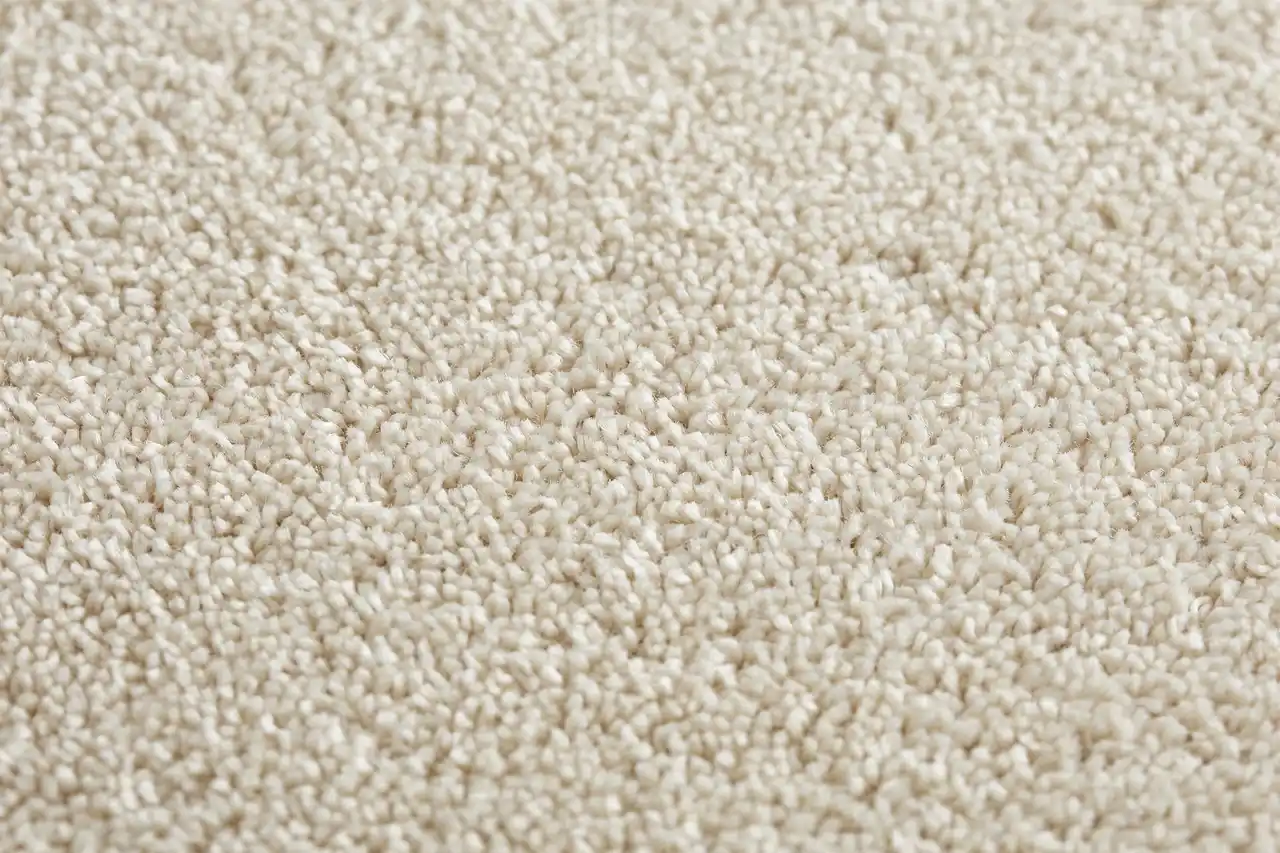
Enzymatic approaches target urine salts and crystals and need volume, dwell time, and compatible conditions. Oxidizing approaches lighten stains quickly but may give only short-term odor relief alone, with a colorfastness risk. Neither undoes dye or backing damage.
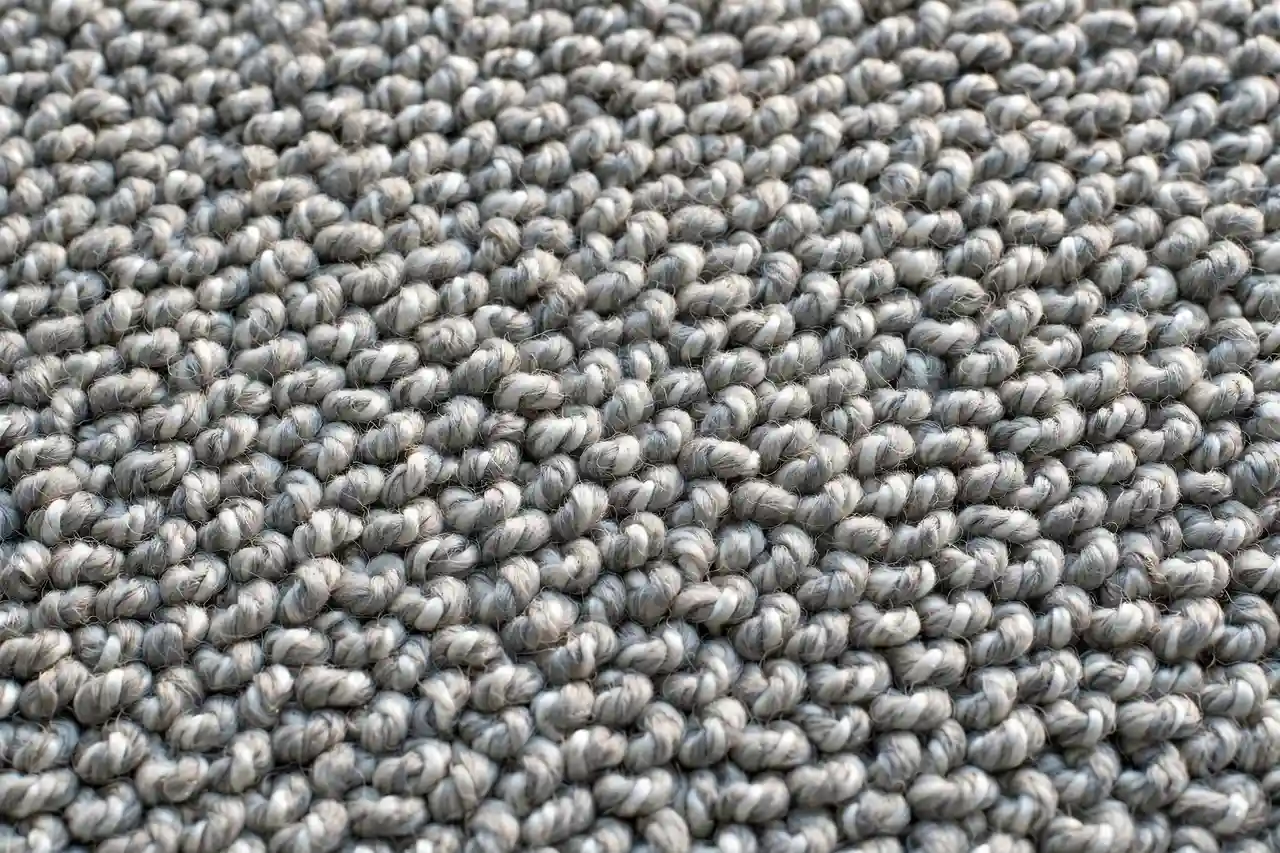
Coffee, tea, and wine can dye unprotected nylon, and heat accelerates dye uptake. Polyester holds oils. Wool is sensitive to heat, alkalinity, and agitation. Every stain expectation needs the fiber named.
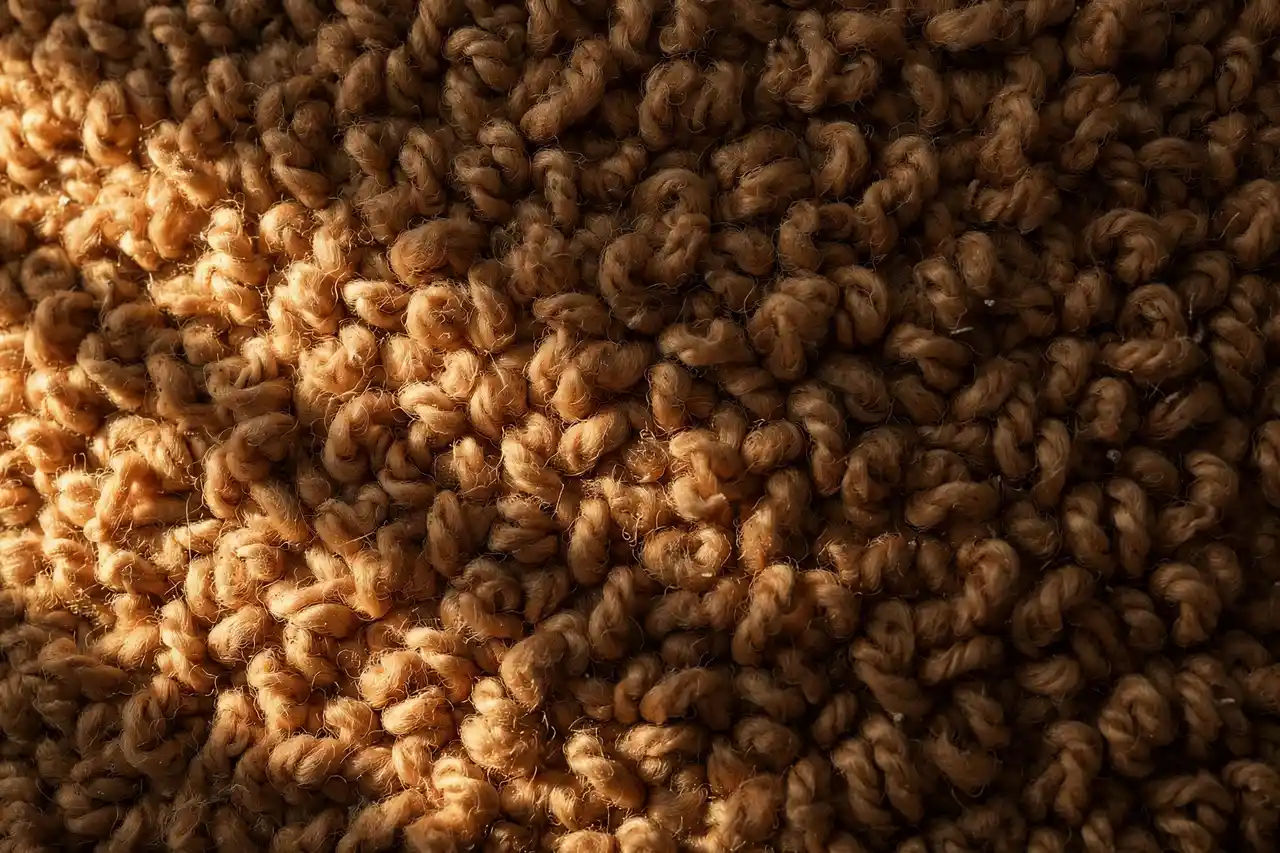
When contamination has reached the pad or subfloor, surface cleaning alone may not change the odor. Pad replacement is sometimes discussed in this industry as a separate scope decision. Raise it on the call if the situation points that deep.
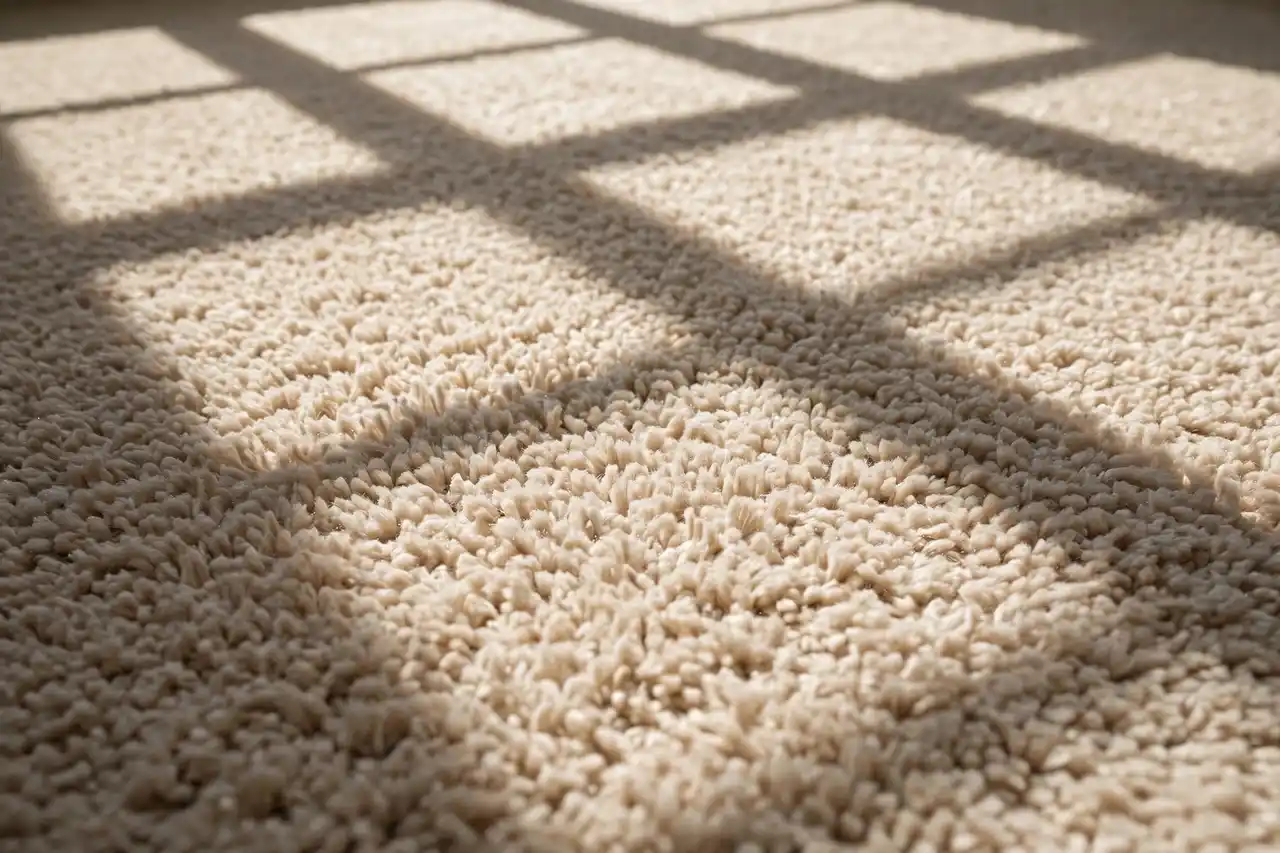
When stain and odor work is worth considering
A recent dog accident on the carpet
What the accident was, where it happened, and what has been done since are the facts that matter. Mention whether heat or any product has already been used.
Fresh spotsA fresh drink spill on carpet
Coffee, tea, and red wine can dye unprotected nylon, and heat accelerates the process. How long the spill has sat, and what has already been tried, shape the conversation.
Fresh spotsThe same spot used more than once
Repeat use drives contamination deeper and widens the area. Odor that returns when humidity rises usually points below the surface.
Older or repeat spotsA stain found long after it happened
Older stains have had time to bond, and urine chemistry has had time to change. Results vary more with older stains, and expectations should be set on the call.
Older or repeat spots
How Cedar Rapids conditions affect stains and odor
Local conditions do not create stains, but they change how noticeable odor is and how carpet dries.
Closed-up winter homes
In colder months, doors and windows stay shut, which can make an existing odor more noticeable indoors.
Humidity and odor return
Uric-acid crystals reactivate with humidity, so odor that faded can return on humid days. The pattern points below the surface.
Rooms dogs use most
Family rooms, hallways, and rooms near doors collect repeat spots. Those are the rooms to describe first on the call.
- Mound View
- Kenwood Park
- Bever Park
- Taylor Area
- Northwest Neighbors
An illustrative view, not a result
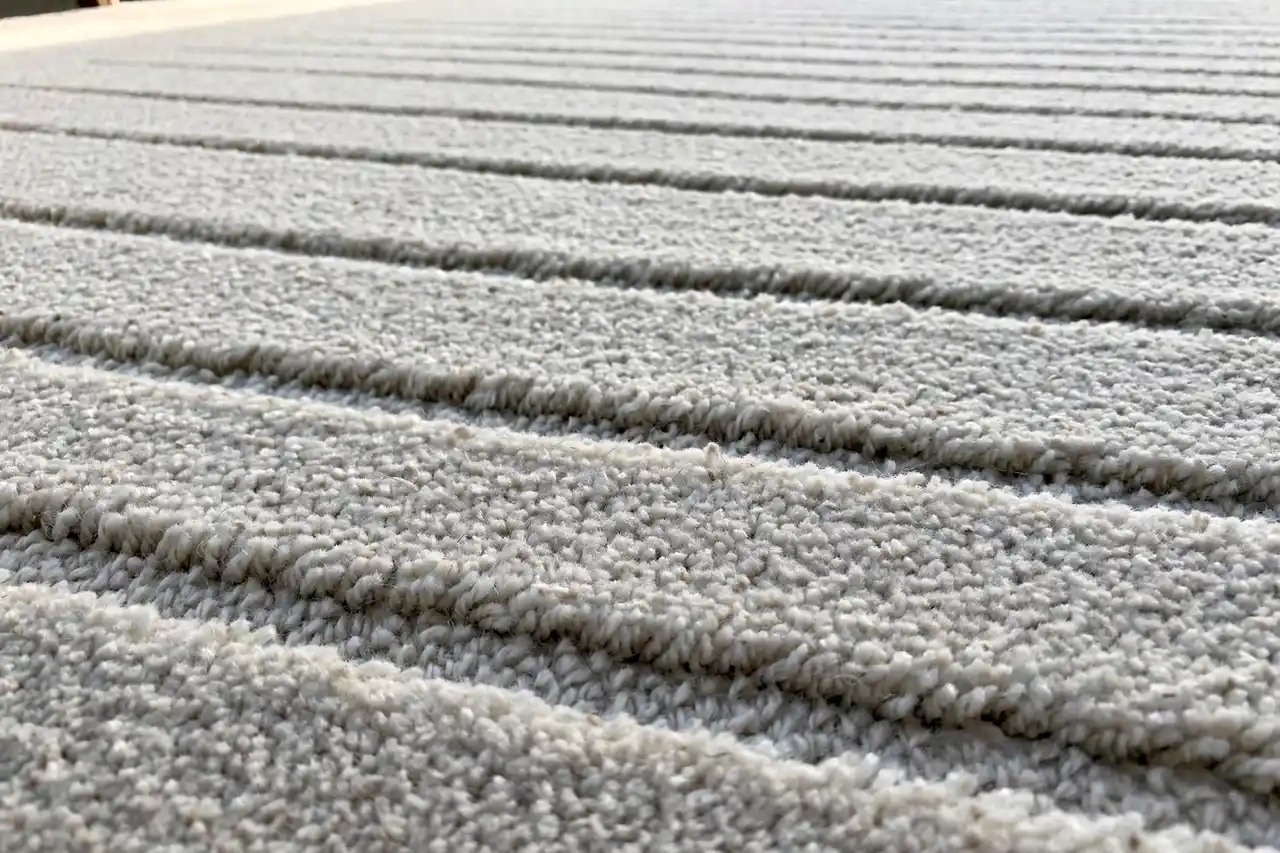
Slide to compare the photo with an illustrative view. The comparison view is generated from the photo rather than measured, and it shows no cleaning result.
 Photo
A repeat spot in a hallway
Situation: The same hallway spot has been used more than once. The surface looks acceptable after vacuuming, but the odor returns when the weather turns humid.
Worth knowing: Repeat use drives contamination deeper, and humidity reactivates crystals below the surface. Depth, not appearance, decides what is possible.
A stain found months later
Situation: A stain is discovered during a rearrangement, long after it happened. It has had time to bond with the fiber.
Worth knowing: Older stains vary more in outcome. Dye uptake, especially on nylon, may mean lightening rather than removal. Expectations belong on the call.
A food or drink stain on nylon
Situation: Coffee or red wine has spilled on a nylon carpet, and a previous attempt involved heat.
Worth knowing: Coffee, tea, and wine can dye unprotected nylon, and heat accelerates dye uptake. A stain that has dyed the fiber may lighten without disappearing.
Stain and odor situations worth asking about
Most stain and odor questions come down to depth, age, and fiber.
Odor that returns in humidity
Crystals below the surface reactivate when humidity rises. The pattern points to depth, not to the surface.
Repeat spots in one place
The same spot used more than once drives contamination deeper and wider than a single accident.
Older stains found later
Time lets dyes bond and urine chemistry change. Older stains vary more, and results vary with them.
Stains from food and drink
Coffee, tea, and red wine can dye unprotected nylon. Heat accelerates the process, so what was already tried matters.
Why stain and odor questions deserve a careful answer
A quick promise is easy. An honest answer starts with depth, age, and fiber.
Depth decides the outcome
Surface, backing, and pad are different situations. Surface cleaning reaches the surface. Anything deeper needs a different conversation, and that conversation starts on the call.
Fiber changes what is possible
Nylon takes up dye. Wool is sensitive to heat, alkalinity, and agitation. No stain expectation holds without the fiber named.
Odor and humidity
Uric-acid crystals reactivate with humidity, which is why odor fades and returns. The pattern is information, not a mystery.
Honest limits, stated plainly
Some stains have dyed the fiber. Some contamination has reached the pad. No outcome is promised on this page, and results vary with depth, age, fiber, and what has already been tried.
Questions worth asking before any work starts
Depth, age, and fiber decide stain and odor outcomes, so the questions below ask for the facts that matter on the call.
How deep the stain reached
Ask what the depth of the situation means for the outcome, and what cannot be known until the carpet is seen.
What treatment would mean here
Ask what approach is being discussed, in general terms, and what its limits are. No product is named on this page.
What to expect afterwards
Ask what happens if odor returns, and what terms apply. Get the answer before work starts.
What decides a stain or odor outcome
Three factors explain most outcomes. All three can be described on the call.
Depth over surface
How a spot looks matters less than how deep it has gone. Odor that returns in humidity points below the surface.
Time matters
Urine chemistry changes over time, and dyes bond with time. Older and repeat spots vary more in outcome.
Fiber and dye
Nylon, polyester, and wool each set different limits. Coffee, tea, and wine can dye unprotected nylon.
Do we cover your part of Cedar Rapids?
Type your ZIP or neighborhood to check it against the list. If you are outside the list, call and ask.
Cedar Rapids ZIP codes
- 52401
- 52402
- 52403
- 52404
- 52405
- 52411
Service areas
- Bever Park
- Cedar Valley
- Cherry Hill Park
- Cleveland Area
- Ellis Harbor
- Kenwood Park
- Mound View
- Noelridge Park
- Northwest Neighbors
- Oak Hill Jackson
- Taylor Area
- Vernon Heights
- Wellington Heights
- Westdale Area
- Bowman Woods
- Czech Village
- New Bohemia
- Downtown Cedar Rapids
- Kingston Village
- Lincolnway Village
- Wilderness Estates
Cedar Rapids areas
This page covers the service at the city level. Area details live on the locations hub.
- Downtown Cedar Rapids
- Czech Village
- New Bohemia
- Kingston Village
- Mound View
- Wellington Heights
- Bever Park
- Kenwood Park
- Noelridge Park
- Cherry Hill Park
- Cleveland Area
- Taylor Area
What customers say
Bought a home and had them clean the carpet. A strong odor developed from previous dog in house and they came back to take care of it. Very friendly, knowledgeable and they absolutely will not leave you unhappy. Great company! A+ HIGHLY RECOMMENDED
If I could give Terry and Jim more than five stars I would! I've worked in property Management for years and have tons of experience with carpet cleaners and these guys are hands down the best around, their name isn't reliable for nothing!
Reliable Carpet, Inc is just that! Friendly, thorough, professional and they cleaned my stained RV carpet like new! I highly recommend them!
Stretched carpet with heavy wrinkles. Looks like new again now. Worker was on time, professional, and friendly. Excellent experience. Excellent result. I very much recommend them.
Frequently Asked Questions
Short answers for the first few minutes. The team can cover the rest.
Still have a question?
Describe what you are seeing and we will point you to the right next step.
(319) 319-9212Depth, age, and fiber. A surface spot is different from a spot that has reached the backing or pad, an older spot is different from a fresh one, and nylon, polyester, and wool each set different limits. Odor that returns when humidity rises usually points below the surface. No outcome is promised, and results vary.
Pet urine leaves uric-acid crystals that do not dissolve in water and bind to fiber, backing, and pad. The crystals reactivate with humidity, so an odor can fade and return on humid days. The guide to lingering odor explains the pattern in more detail.
Sometimes they lighten, sometimes they improve more, and sometimes dye uptake or depth limits the result. Older stains have had time to bond, and repeat spots reach deeper. The honest answer depends on the spot, and it belongs on the call. The guide to old pet stains covers the factors.
Coffee, tea, red wine, and other food and drink stains are covered on this page too. On unprotected nylon they can dye the fiber, and heat accelerates dye uptake, so some stains lighten rather than disappear. What the stain is, and what has already been tried, are worth mentioning when you call.
Where the spots are, how long they have been there, whether the same spot has been used more than once, and what has already been tried, including any heat or product use. As a general rule, avoid ammonia-based products on urine spots. No prices are published on this site.
Related pages
Other services from the same team, plus a related guide.
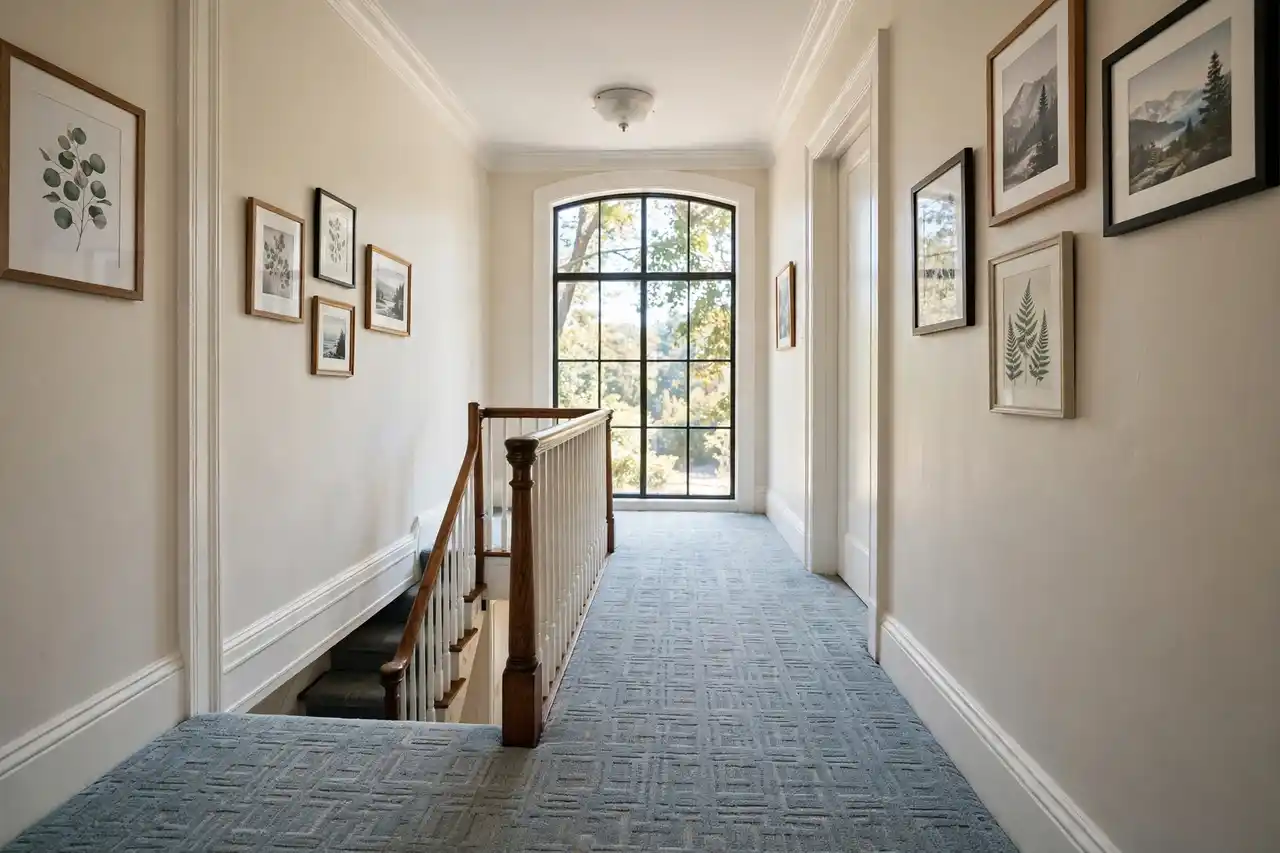 Carpet CleaningEveryday soil, traffic lanes, and drying ranges, explained at the city level.
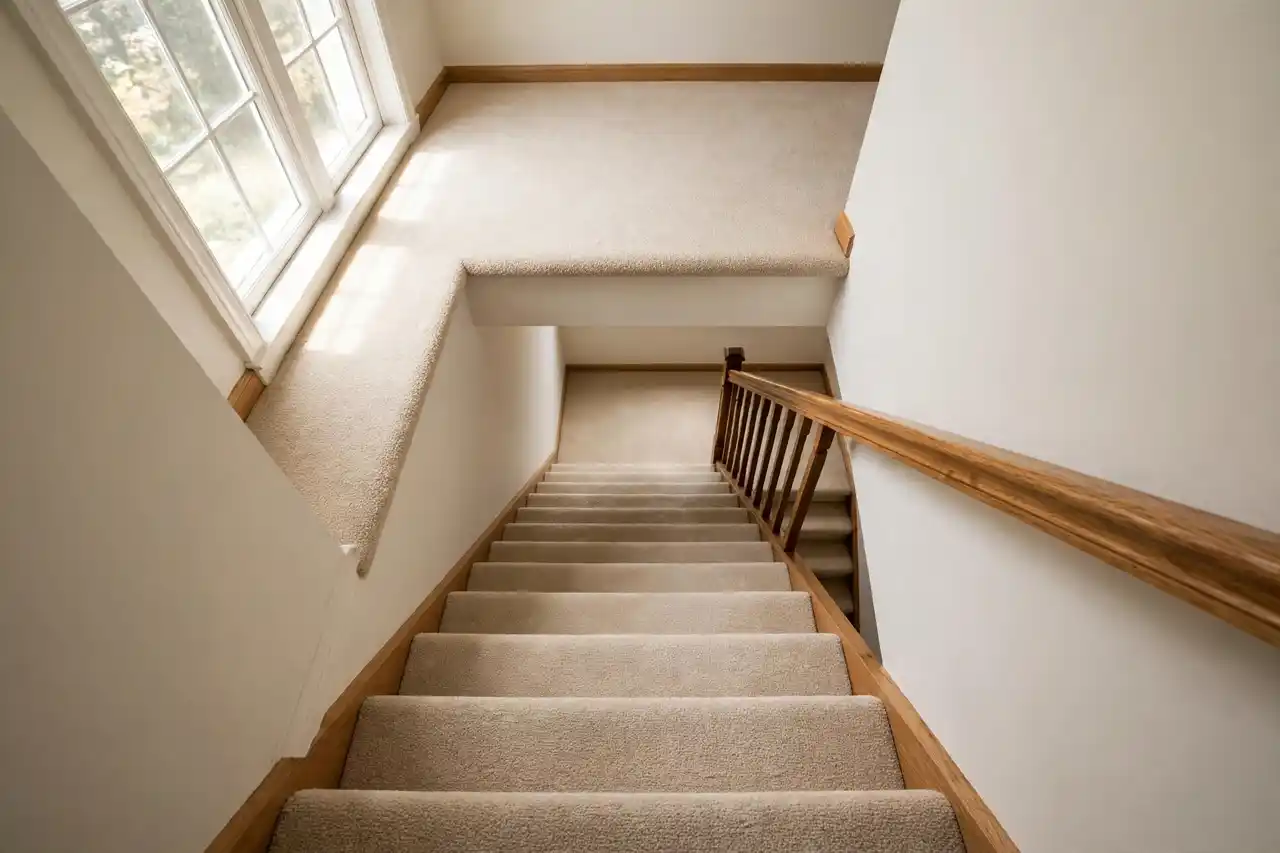 Carpet Repair and StretchingBuckling, wrinkles, and small damaged areas, with stretching-led guidance and clear limits.
 Why Carpet Still Smells After Pet Stain RemovalThe humidity-reactivation pattern, explained: why odor fades and returns.
Stain or odor questions? Call to discuss
(319) 319-9212Call Monday to Friday, 8 AM to 5 PM. Describe where the spots are, how long they have been there, and what has already been tried.
Carpet stain and odor removal Cedar Rapids IA — call to discuss
Call (319) 319-9212, Monday through Friday, 8 AM to 5 PM. Saturday and Sunday we are closed. Describe the spots, how long they have been there, and what has already been tried, and the conversation starts from there.